Crisis preparedness
Be ready before the crisis, not during it.
Clear guidance for floods, fire, blackouts, severe weather and more, AI-assisted and editorially reviewed — plus a personal crisis plan you can build, save and take with you.
Free · works on any device · no tracking cookies
How crisisplan helps
Learn what to do
Calm, practical steps for each emergency — what to do right now, and how to prepare in advance.
Build your plan
Pick the scenarios that matter to you, work through a checklist, add your contacts — everything stays locally in your browser.
Keep it close
Print a paper copy of your plan (or save a PDF) and keep local emergency numbers to hand — the website needs internet; paper works when the network does not.
Tailored to your region
The guidance applies to Germany. With your country set, each scenario links the official maps and warning channels for your area and the national emergency numbers — which scenarios belong in your plan is your call.
Your location is used only in your browser to find your country. It is never sent to us.
Emergency scenarios
AI-assisted, editorially reviewed and checked against official sources.

Flooding
Water can rise fast — move to higher ground early, stay out of flood water, and keep your documents and warning apps ready.
Fire
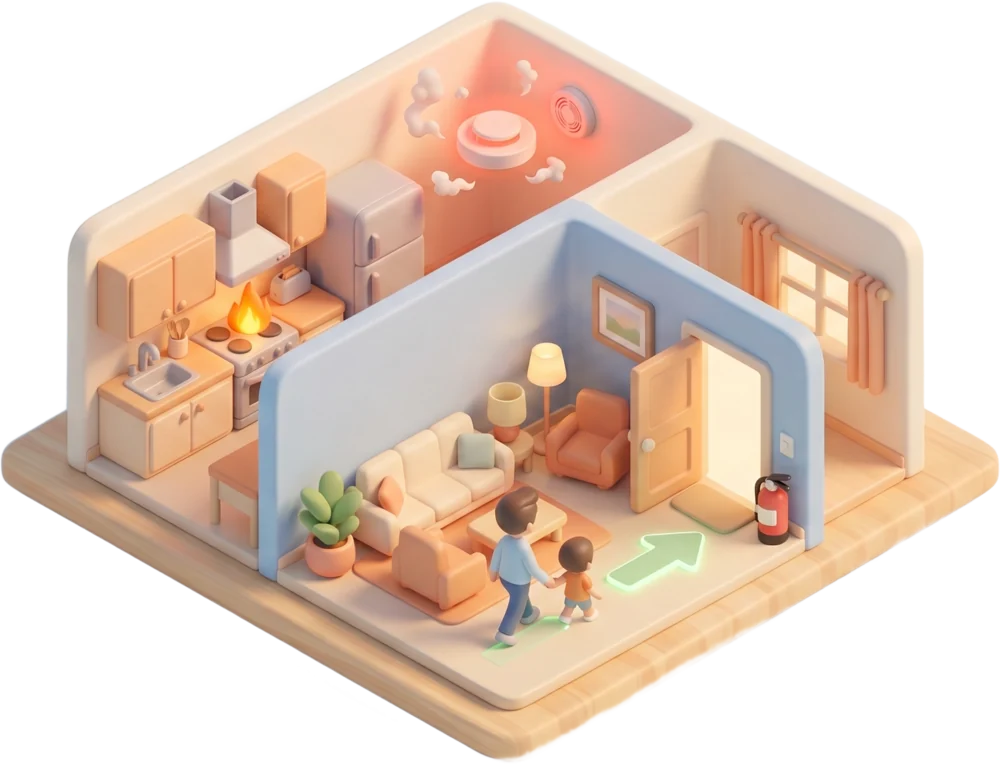
Working smoke alarms and a practised escape plan give you the seconds you need to get out alive.

Power outage / blackout
Stay warm, informed, and safe when the electricity stops — from a short cut to a multi-day blackout.
Severe weather
Stay safe through storms, hail, lightning, extreme heat, and extreme cold.
Heatwave
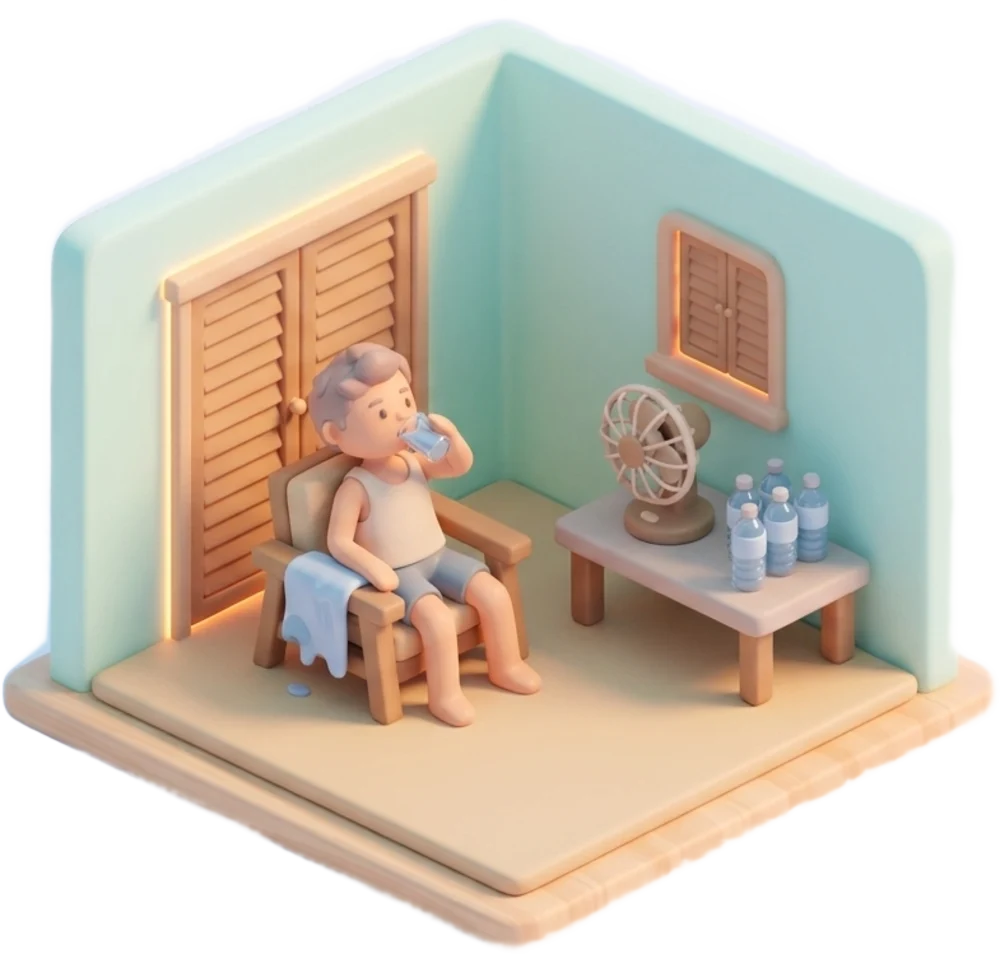
Cool down, drink water if fully awake, check on neighbours — heat kills quietly in Europe every summer.

Pandemic / infectious disease
Stay informed, protect yourself and others, and be ready to isolate calmly at home.
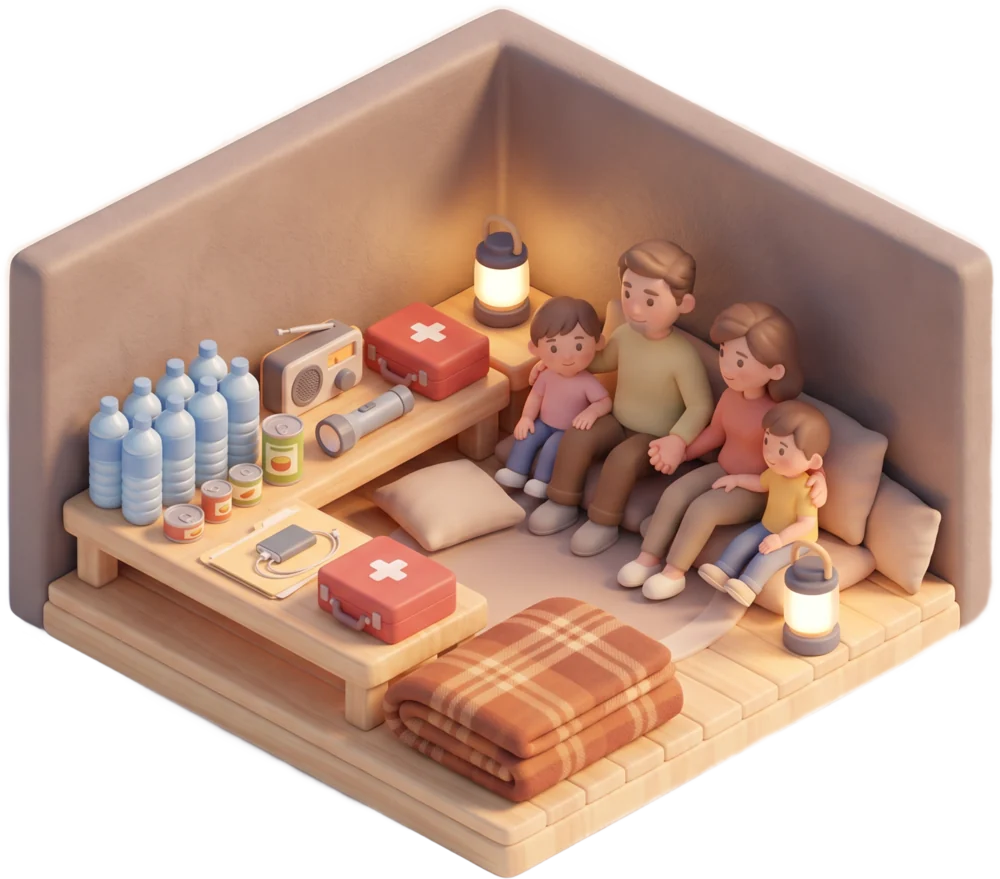
Armed conflict
Stay safe if armed conflict reaches your region: shelter smart, follow official alerts, and be ready to act.
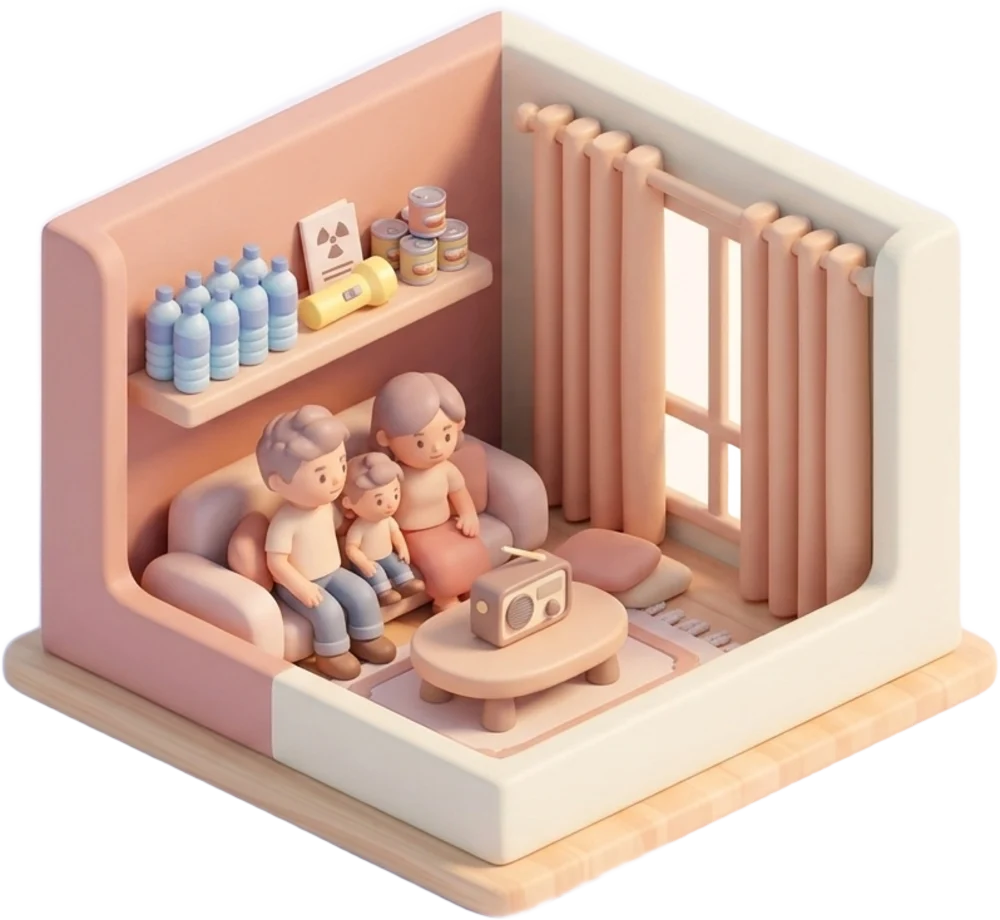
Nuclear / radiological event
Go in, stay in, tune in — shelter first; take iodine only if authorities tell you to.

Chemical / industrial accident
Shelter in place: close windows, shut ventilation, go upstairs for heavy gases — leave only if told.

Earthquake
Drop, Cover and Hold On — then exit carefully when shaking stops; expect aftershocks.
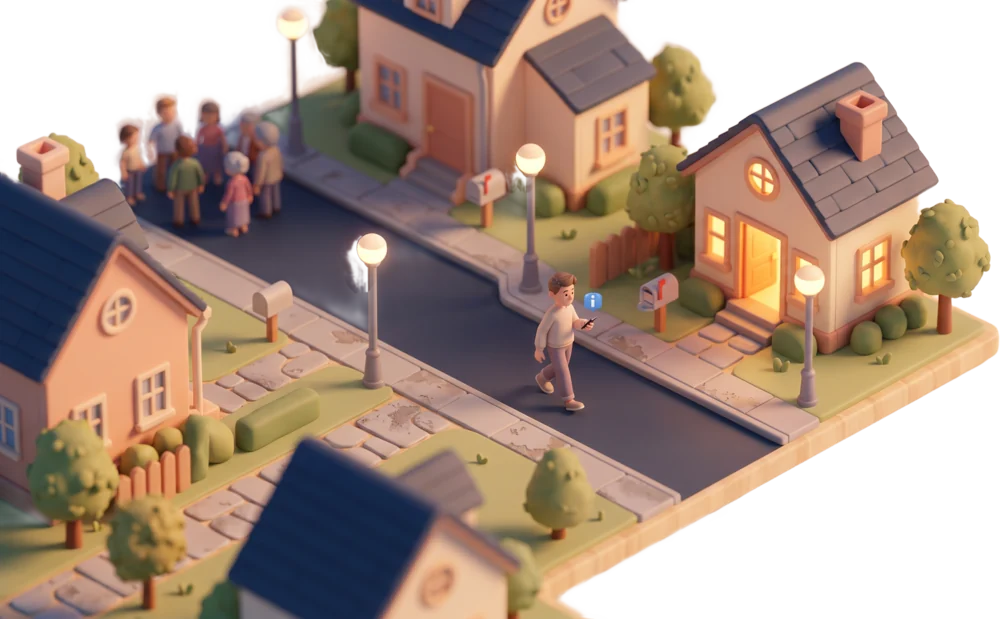
Civil unrest
If a protest turns violent, move away calmly, avoid crowds and confrontation, and follow police instructions.
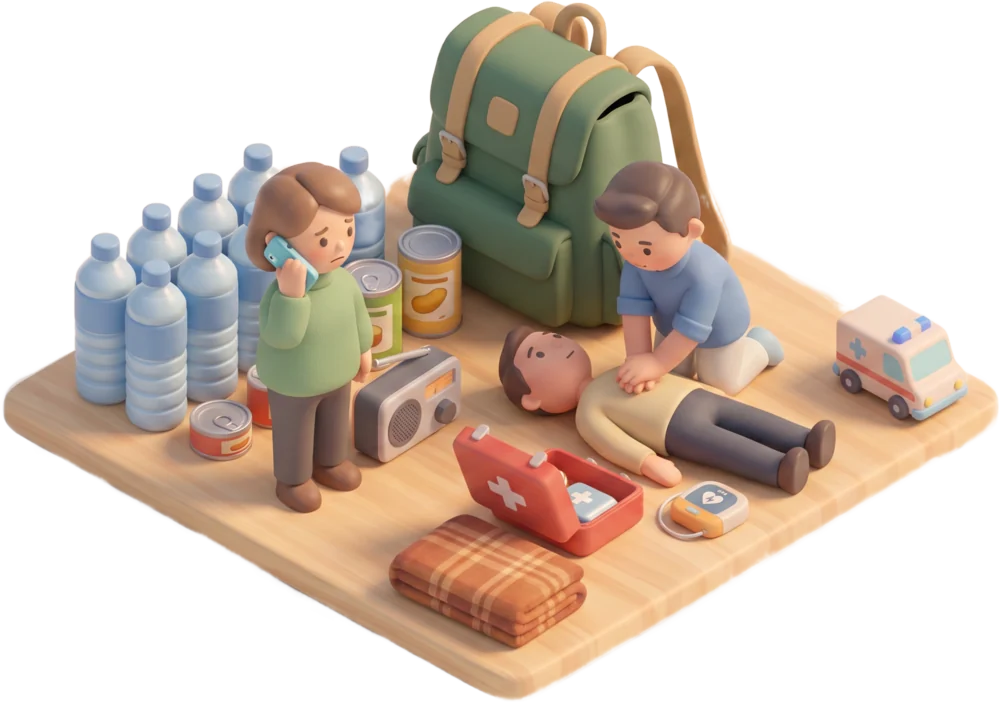
Medical emergency
Recognise a life-threatening emergency, call 112, and give first aid until help arrives.
General preparedness
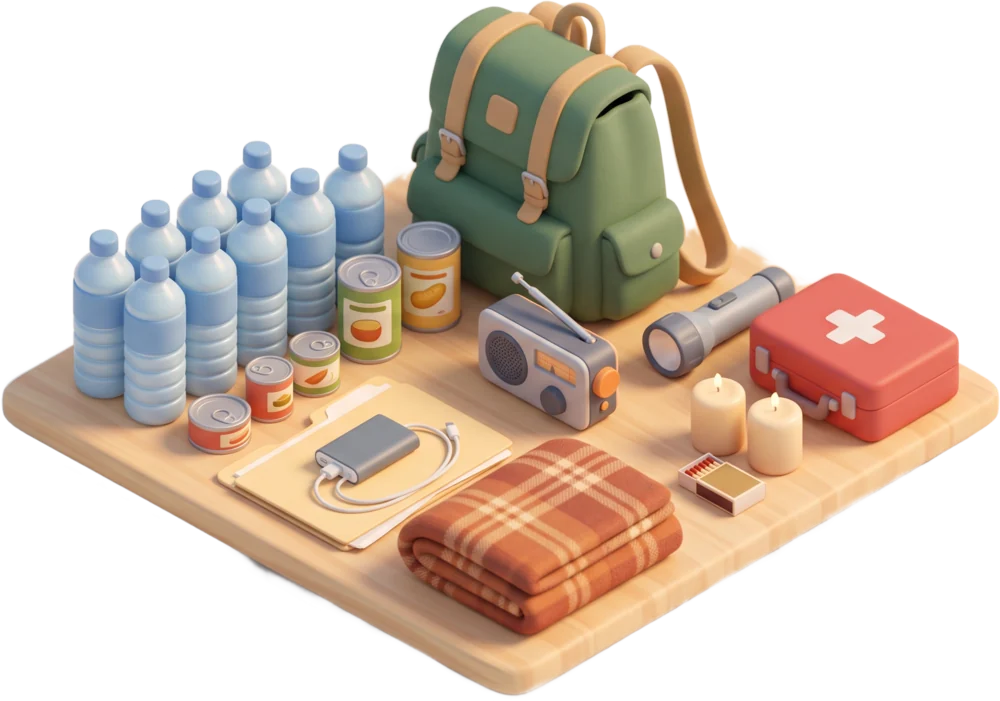
The foundation plan everyone should have: supplies, a plan, and a way to stay informed when normal services fail.
Preparedness guides
Emergency kit, 72-hour readiness, and warning apps.
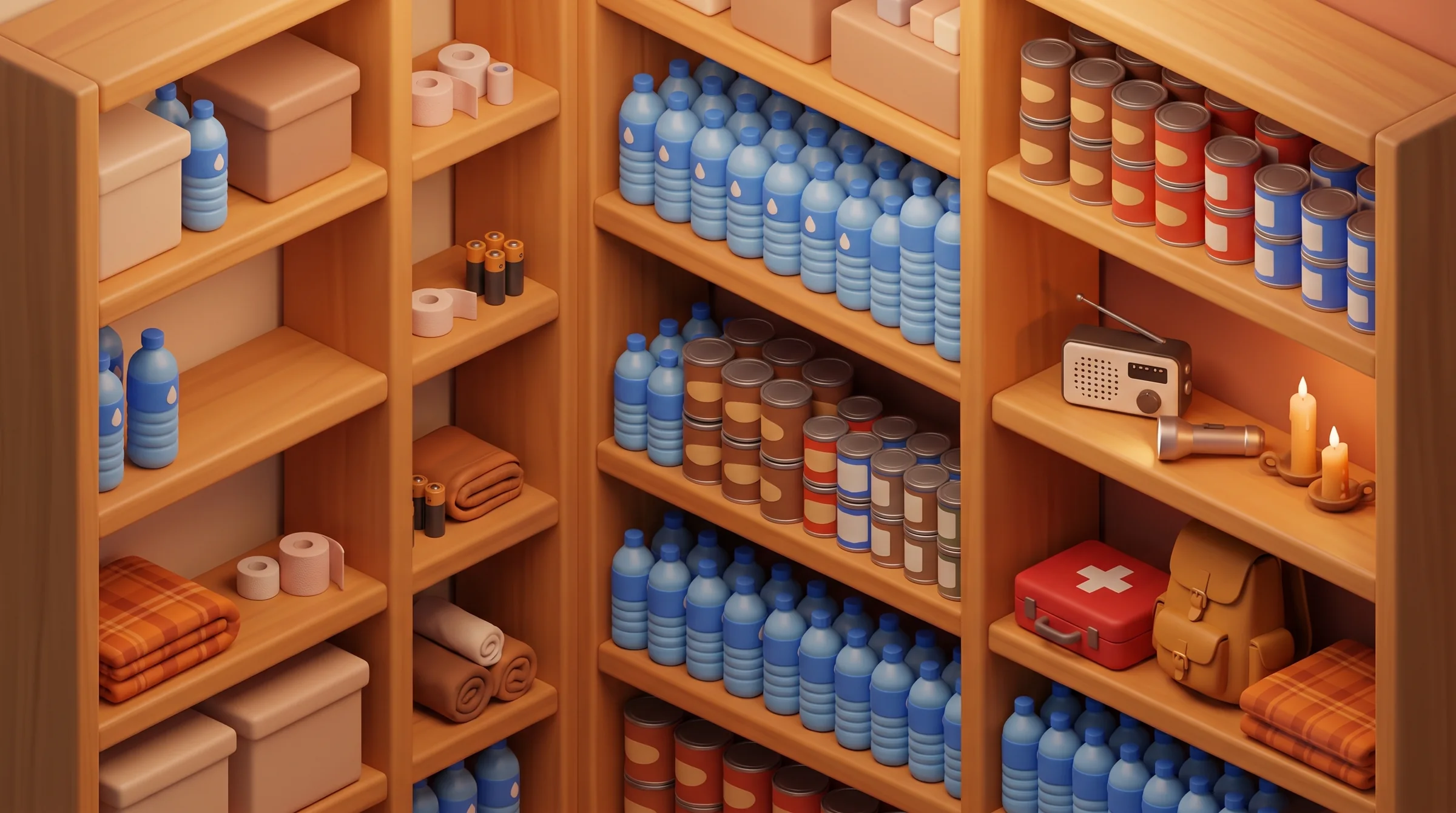
Emergency kit and household stockpile
What belongs in a German household stockpile and in the Notgepäck you can grab in minutes — for blackouts, evacuation and everyday crises, following the BBK’s recommendations.
Read guide72-hour preparedness
How to be ready for about 72 hours without shops, power or normal services — the EU baseline; Germany’s BBK aims higher, at up to ten days.
Read guideWarning apps and Cell Broadcast
How public warnings reach you in Germany: Cell Broadcast, the NINA app, KATWARN, BIWAPP, warnung.bund.de, WarnWetter, sirens and radio — and what to switch on before a crisis.
Read guide
Emergency numbers
Germany
112 is free in Germany and across the EU, works without credit and over any available network. Without a SIM card no emergency call is possible in Germany.
Emergency services
When to call?
e.g. Life-threatening emergencies: heart attack, severe bleeding, fire, crime in progress, or anyone in immediate danger.
- 110Police
When to call?
e.g. Crime, threat of violence, or urgent police matters.
- 112Fire brigade
When to call?
e.g. Fire, smoke, gas leaks, and technical rescue.
Helplines & advice
Advice and non-emergency support. Does not replace 112 when someone is in immediate danger.
- 116117Medical on-call (non-emergency)Website
When to call?
e.g. Illness in the evening, at weekends or on holidays that cannot wait for the next GP appointment (fever, severe pain, infections) — not for life-threatening emergencies (use 112).
- 030 19240Poison control (Berlin; other centres: mostly area code + 19240)Website
When to call?
e.g. Suspected poisoning: swallowed medicines/chemicals/plants, fumes, chemical burns — advice and first steps; if unconscious, struggling to breathe, or seizing, call 112.
- 115Public authority hotlineWebsite
When to call?
e.g. Questions for public administrations and citizen services: registration, IDs, waste, which office to contact — not police or medical emergencies.
- Online police report (Onlinewache)Website
When to call?
e.g. Report a theft, lost property, noise complaints, general police advice — not crimes in progress or immediate danger (use 112 / emergency police).
- 116000Missing children (EU)Website
When to call?
e.g. Report a missing child and get support; advice for families and professionals in abduction or missing-child cases.
- 116 016 · 08000 116 016Violence against women helplineWebsite
When to call?
e.g. Domestic violence, threats, stalking, forced marriage — confidential advice and referrals, 24/7.
- 0800 111 0 111 · 0800 111 0 222Telefonseelsorge (emotional crisis / talk)Website
When to call?
e.g. Emotional crisis, despair, suicidal thoughts (talk), loneliness — anonymous counselling; for immediate life danger or medical emergency call 112.